across our community.
The Cultural Office of the Pikes Peak Region (a.k.a. COPPR) is the nonprofit local arts agency that serves the City of Colorado Springs and the greater Pikes Peak region (El Paso and Teller Counties) in Colorado. We work to ensure that the creative sector grows in economic vitality and depth of impact, that creative workers can thrive in our community, and that the arts are leveraged to positively address regional economic development, education, cultural tourism, and quality of life.
Beyond the Cultural Office's regional leadership & advocacy,
our programs focus on:
Our Mission
We champion our diverse creative community as a vital part of the region’s identity and economy through service, connection, and advocacy.
RECENT NEWS
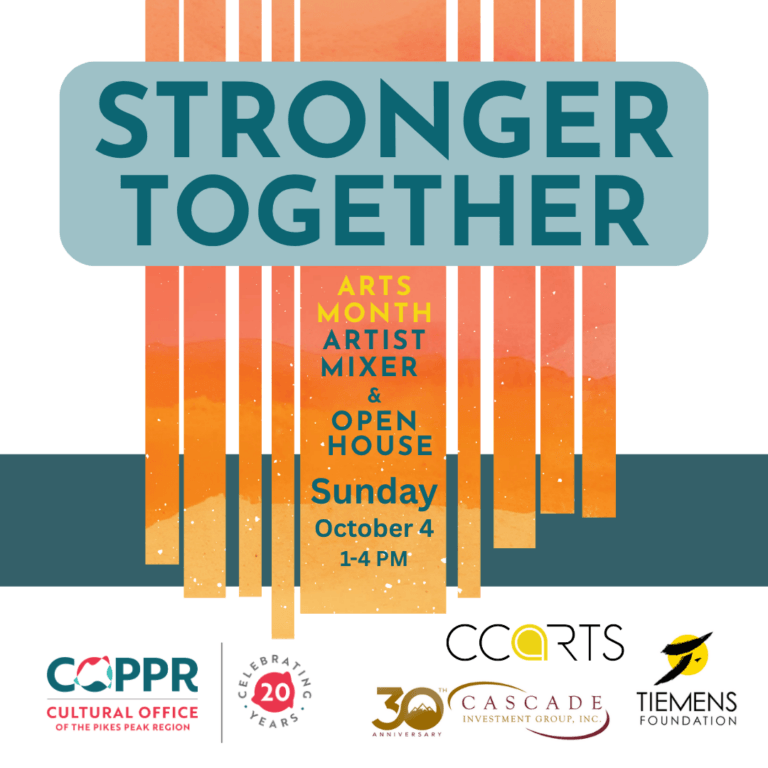
You’re Invited! ‘Stronger Together’ Arts Month Artist Mixer and Open House
Please join us on Sunday, October 4 between 1-4 PM at the Cultural Office to kick-off Arts Month with an

Intersections of Arts, Music, Culture + Commerce: A Panel Discussion
The Business of Arts, Music & Culture explores how creativity shapes Colorado Springs’ economy, identity, and quality of life.

20th Anniversary Events
Join us at these special events that will honor COPPR’s 20th Anniversary in a variety of ways! Sept. 4 – “Stronger Together”
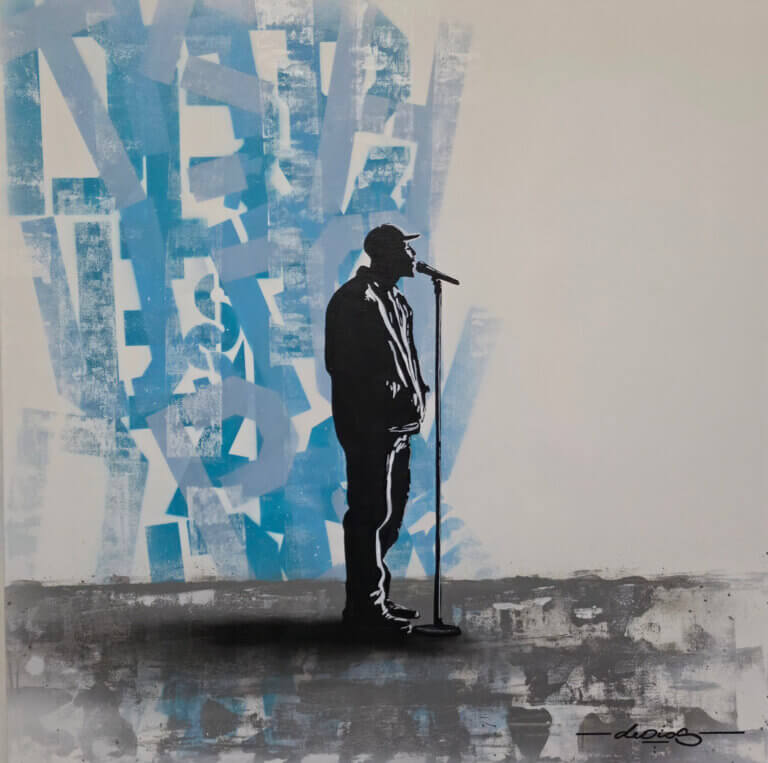
‘Stronger Together’ Exhibit Honors Arts Community and COPPR
Cottonwood Center for the Arts and The Cultural Office of the Pikes Peak Region (COPPR) will open “Stronger Together,” a

Our Spacious Skies: Join the Conversation on the Arts with Regional Experts
Please join us for a free event featuring a panel discussion on the future of arts and culture in the

Artist Mixer with Featured Artist Jean Gumpper
Calling all artists, arts appreciators, and collectors! Join COPPR and Auric Gallery at the Cultural Office to spend time with
LOCAL ARTS EVENTS
Events for September 2026
| Sun | Mon | Tue | Wed | Thu | Fri | Sat |
|---|---|---|---|---|---|---|
1 | 2 | 3 | 4 | 5 | ||
6 | 7 | 8 | 9 | 10 | 11 | 12 |
13 | 14 | 15 | 16 | 17 | 18 | 19 |
20 | 21 | 22 | 23 | 24 | 25 | 26 |
27 | 28 | 29 | 30 |

'Clamour'
Mar 12 - Apr 04
Thu, Feb 26 @ 10:00 am
Fri, Feb 27 @ 10:00 am
Sat, Feb 28 @ 10:00 am
Wed, Mar 4 @ 10:00 am
Thu, Mar 5 @ 10:00 am
Fri, Mar 6 @ 10:00 am
Sat, Mar 7 @ 10:00 am
...
'Clamour'
Mar 13 - Apr 04
Thu, Feb 26 @ 10:00 am
Fri, Feb 27 @ 10:00 am
Sat, Feb 28 @ 10:00 am
Wed, Mar 4 @ 10:00 am
Thu, Mar 5 @ 10:00 am
Fri, Mar 6 @ 10:00 am
Sat, Mar 7 @ 10:00 am
...
'Clamour'
Mar 14 - Apr 04
Thu, Feb 26 @ 10:00 am
Fri, Feb 27 @ 10:00 am
Sat, Feb 28 @ 10:00 am
Wed, Mar 4 @ 10:00 am
Thu, Mar 5 @ 10:00 am
Fri, Mar 6 @ 10:00 am
Sat, Mar 7 @ 10:00 am
...
'Clamour'
Mar 18 - Apr 04
Thu, Feb 26 @ 10:00 am
Fri, Feb 27 @ 10:00 am
Sat, Feb 28 @ 10:00 am
Wed, Mar 4 @ 10:00 am
Thu, Mar 5 @ 10:00 am
Fri, Mar 6 @ 10:00 am
Sat, Mar 7 @ 10:00 am
...
'Clamour'
Mar 19 - Apr 04
Thu, Feb 26 @ 10:00 am
Fri, Feb 27 @ 10:00 am
Sat, Feb 28 @ 10:00 am
Wed, Mar 4 @ 10:00 am
Thu, Mar 5 @ 10:00 am
Fri, Mar 6 @ 10:00 am
Sat, Mar 7 @ 10:00 am
...
'Clamour'
Mar 20 - Apr 04
Thu, Feb 26 @ 10:00 am
Fri, Feb 27 @ 10:00 am
Sat, Feb 28 @ 10:00 am
Wed, Mar 4 @ 10:00 am
Thu, Mar 5 @ 10:00 am
Fri, Mar 6 @ 10:00 am
Sat, Mar 7 @ 10:00 am
...
'Clamour'
Mar 21 - Apr 04
Thu, Feb 26 @ 10:00 am
Fri, Feb 27 @ 10:00 am
Sat, Feb 28 @ 10:00 am
Wed, Mar 4 @ 10:00 am
Thu, Mar 5 @ 10:00 am
Fri, Mar 6 @ 10:00 am
Sat, Mar 7 @ 10:00 am
...
'Clamour'
Mar 25 - Apr 04
Thu, Feb 26 @ 10:00 am
Fri, Feb 27 @ 10:00 am
Sat, Feb 28 @ 10:00 am
Wed, Mar 4 @ 10:00 am
Thu, Mar 5 @ 10:00 am
Fri, Mar 6 @ 10:00 am
Sat, Mar 7 @ 10:00 am
...
'Clamour'
Mar 26 - Apr 04
Thu, Feb 26 @ 10:00 am
Fri, Feb 27 @ 10:00 am
Sat, Feb 28 @ 10:00 am
Wed, Mar 4 @ 10:00 am
Thu, Mar 5 @ 10:00 am
Fri, Mar 6 @ 10:00 am
Sat, Mar 7 @ 10:00 am
...
'Clamour'
Mar 27 - Apr 04
Thu, Feb 26 @ 10:00 am
Fri, Feb 27 @ 10:00 am
Sat, Feb 28 @ 10:00 am
Wed, Mar 4 @ 10:00 am
Thu, Mar 5 @ 10:00 am
Fri, Mar 6 @ 10:00 am
Sat, Mar 7 @ 10:00 am
...
'Clamour'
Mar 28 - Apr 04
Thu, Feb 26 @ 10:00 am
Fri, Feb 27 @ 10:00 am
Sat, Feb 28 @ 10:00 am
Wed, Mar 4 @ 10:00 am
Thu, Mar 5 @ 10:00 am
Fri, Mar 6 @ 10:00 am
Sat, Mar 7 @ 10:00 am
...
'Clamour'
Apr 01 - Apr 04
Thu, Feb 26 @ 10:00 am
Fri, Feb 27 @ 10:00 am
Sat, Feb 28 @ 10:00 am
Wed, Mar 4 @ 10:00 am
Thu, Mar 5 @ 10:00 am
Fri, Mar 6 @ 10:00 am
Sat, Mar 7 @ 10:00 am
...
Mar 12, 2026 - Apr 04, 2026
'Clamour'
Presented by Colorado Springs Fine Arts Center at Colorado College at Colorado Springs Fine Arts Center at Colorado College Colorado Springs, CO
Contemporary Film, Video, and Sound: Maria Gaspar: "Clamour" In summer of 2021, the Cook County Department of Corrections began the demolition of two jail dormitories. The buildings, perhaps best known for housing the likes of Al Capone, were more than a hundred years old. The artist Maria Gaspar, who grew up in Little Village, the same neighborhood where the jail is located, documented the demolition and site restoration over the course of two years. She positioned her camera across the street from the project, fixing its view on the long concrete wall that marks the border between the jail and the residential neighborhood. The result is Clamour, which is sixty hours and twenty minutes in duration and captures one section of the building block being torn down, from start to finish. The extended run time of the video — which makes it effectively impossible to view in a single sitting — creates a tension between the persistence of carceral architecture and the possibility of resisting the logic it sustains. This tension is amplified by the scale of the institution itself. To this day, Cook County Jail remains the largest single-site jail in the United States, with an average daily population of approximately 9,000 people. The work’s collapsing of nine months of demolition, and a history that spans generations, offers a way to imagine the dismantling of structures that have shaped the lives of people both inside and outside the jail’s walls. As part of the exhibition, the public is invited to…
Get Tickets Mar 13, 2026 - Apr 04, 2026
'Clamour'
Presented by Colorado Springs Fine Arts Center at Colorado College at Colorado Springs Fine Arts Center at Colorado College Colorado Springs, CO
Contemporary Film, Video, and Sound: Maria Gaspar: "Clamour" In summer of 2021, the Cook County Department of Corrections began the demolition of two jail dormitories. The buildings, perhaps best known for housing the likes of Al Capone, were more than a hundred years old. The artist Maria Gaspar, who grew up in Little Village, the same neighborhood where the jail is located, documented the demolition and site restoration over the course of two years. She positioned her camera across the street from the project, fixing its view on the long concrete wall that marks the border between the jail and the residential neighborhood. The result is Clamour, which is sixty hours and twenty minutes in duration and captures one section of the building block being torn down, from start to finish. The extended run time of the video — which makes it effectively impossible to view in a single sitting — creates a tension between the persistence of carceral architecture and the possibility of resisting the logic it sustains. This tension is amplified by the scale of the institution itself. To this day, Cook County Jail remains the largest single-site jail in the United States, with an average daily population of approximately 9,000 people. The work’s collapsing of nine months of demolition, and a history that spans generations, offers a way to imagine the dismantling of structures that have shaped the lives of people both inside and outside the jail’s walls. As part of the exhibition, the public is invited to…
Get Tickets Mar 14, 2026 - Apr 04, 2026
'Clamour'
Presented by Colorado Springs Fine Arts Center at Colorado College at Colorado Springs Fine Arts Center at Colorado College Colorado Springs, CO
Contemporary Film, Video, and Sound: Maria Gaspar: "Clamour" In summer of 2021, the Cook County Department of Corrections began the demolition of two jail dormitories. The buildings, perhaps best known for housing the likes of Al Capone, were more than a hundred years old. The artist Maria Gaspar, who grew up in Little Village, the same neighborhood where the jail is located, documented the demolition and site restoration over the course of two years. She positioned her camera across the street from the project, fixing its view on the long concrete wall that marks the border between the jail and the residential neighborhood. The result is Clamour, which is sixty hours and twenty minutes in duration and captures one section of the building block being torn down, from start to finish. The extended run time of the video — which makes it effectively impossible to view in a single sitting — creates a tension between the persistence of carceral architecture and the possibility of resisting the logic it sustains. This tension is amplified by the scale of the institution itself. To this day, Cook County Jail remains the largest single-site jail in the United States, with an average daily population of approximately 9,000 people. The work’s collapsing of nine months of demolition, and a history that spans generations, offers a way to imagine the dismantling of structures that have shaped the lives of people both inside and outside the jail’s walls. As part of the exhibition, the public is invited to…
Get Tickets Mar 18, 2026 - Apr 04, 2026
'Clamour'
Presented by Colorado Springs Fine Arts Center at Colorado College at Colorado Springs Fine Arts Center at Colorado College Colorado Springs, CO
Contemporary Film, Video, and Sound: Maria Gaspar: "Clamour" In summer of 2021, the Cook County Department of Corrections began the demolition of two jail dormitories. The buildings, perhaps best known for housing the likes of Al Capone, were more than a hundred years old. The artist Maria Gaspar, who grew up in Little Village, the same neighborhood where the jail is located, documented the demolition and site restoration over the course of two years. She positioned her camera across the street from the project, fixing its view on the long concrete wall that marks the border between the jail and the residential neighborhood. The result is Clamour, which is sixty hours and twenty minutes in duration and captures one section of the building block being torn down, from start to finish. The extended run time of the video — which makes it effectively impossible to view in a single sitting — creates a tension between the persistence of carceral architecture and the possibility of resisting the logic it sustains. This tension is amplified by the scale of the institution itself. To this day, Cook County Jail remains the largest single-site jail in the United States, with an average daily population of approximately 9,000 people. The work’s collapsing of nine months of demolition, and a history that spans generations, offers a way to imagine the dismantling of structures that have shaped the lives of people both inside and outside the jail’s walls. As part of the exhibition, the public is invited to…
Get Tickets Mar 19, 2026 - Apr 04, 2026
'Clamour'
Presented by Colorado Springs Fine Arts Center at Colorado College at Colorado Springs Fine Arts Center at Colorado College Colorado Springs, CO
Contemporary Film, Video, and Sound: Maria Gaspar: "Clamour" In summer of 2021, the Cook County Department of Corrections began the demolition of two jail dormitories. The buildings, perhaps best known for housing the likes of Al Capone, were more than a hundred years old. The artist Maria Gaspar, who grew up in Little Village, the same neighborhood where the jail is located, documented the demolition and site restoration over the course of two years. She positioned her camera across the street from the project, fixing its view on the long concrete wall that marks the border between the jail and the residential neighborhood. The result is Clamour, which is sixty hours and twenty minutes in duration and captures one section of the building block being torn down, from start to finish. The extended run time of the video — which makes it effectively impossible to view in a single sitting — creates a tension between the persistence of carceral architecture and the possibility of resisting the logic it sustains. This tension is amplified by the scale of the institution itself. To this day, Cook County Jail remains the largest single-site jail in the United States, with an average daily population of approximately 9,000 people. The work’s collapsing of nine months of demolition, and a history that spans generations, offers a way to imagine the dismantling of structures that have shaped the lives of people both inside and outside the jail’s walls. As part of the exhibition, the public is invited to…
Get Tickets Mar 20, 2026 - Apr 04, 2026
'Clamour'
Presented by Colorado Springs Fine Arts Center at Colorado College at Colorado Springs Fine Arts Center at Colorado College Colorado Springs, CO
Contemporary Film, Video, and Sound: Maria Gaspar: "Clamour" In summer of 2021, the Cook County Department of Corrections began the demolition of two jail dormitories. The buildings, perhaps best known for housing the likes of Al Capone, were more than a hundred years old. The artist Maria Gaspar, who grew up in Little Village, the same neighborhood where the jail is located, documented the demolition and site restoration over the course of two years. She positioned her camera across the street from the project, fixing its view on the long concrete wall that marks the border between the jail and the residential neighborhood. The result is Clamour, which is sixty hours and twenty minutes in duration and captures one section of the building block being torn down, from start to finish. The extended run time of the video — which makes it effectively impossible to view in a single sitting — creates a tension between the persistence of carceral architecture and the possibility of resisting the logic it sustains. This tension is amplified by the scale of the institution itself. To this day, Cook County Jail remains the largest single-site jail in the United States, with an average daily population of approximately 9,000 people. The work’s collapsing of nine months of demolition, and a history that spans generations, offers a way to imagine the dismantling of structures that have shaped the lives of people both inside and outside the jail’s walls. As part of the exhibition, the public is invited to…
Get Tickets Mar 21, 2026 - Apr 04, 2026
'Clamour'
Presented by Colorado Springs Fine Arts Center at Colorado College at Colorado Springs Fine Arts Center at Colorado College Colorado Springs, CO
Contemporary Film, Video, and Sound: Maria Gaspar: "Clamour" In summer of 2021, the Cook County Department of Corrections began the demolition of two jail dormitories. The buildings, perhaps best known for housing the likes of Al Capone, were more than a hundred years old. The artist Maria Gaspar, who grew up in Little Village, the same neighborhood where the jail is located, documented the demolition and site restoration over the course of two years. She positioned her camera across the street from the project, fixing its view on the long concrete wall that marks the border between the jail and the residential neighborhood. The result is Clamour, which is sixty hours and twenty minutes in duration and captures one section of the building block being torn down, from start to finish. The extended run time of the video — which makes it effectively impossible to view in a single sitting — creates a tension between the persistence of carceral architecture and the possibility of resisting the logic it sustains. This tension is amplified by the scale of the institution itself. To this day, Cook County Jail remains the largest single-site jail in the United States, with an average daily population of approximately 9,000 people. The work’s collapsing of nine months of demolition, and a history that spans generations, offers a way to imagine the dismantling of structures that have shaped the lives of people both inside and outside the jail’s walls. As part of the exhibition, the public is invited to…
Get Tickets Mar 25, 2026 - Apr 04, 2026
'Clamour'
Presented by Colorado Springs Fine Arts Center at Colorado College at Colorado Springs Fine Arts Center at Colorado College Colorado Springs, CO
Contemporary Film, Video, and Sound: Maria Gaspar: "Clamour" In summer of 2021, the Cook County Department of Corrections began the demolition of two jail dormitories. The buildings, perhaps best known for housing the likes of Al Capone, were more than a hundred years old. The artist Maria Gaspar, who grew up in Little Village, the same neighborhood where the jail is located, documented the demolition and site restoration over the course of two years. She positioned her camera across the street from the project, fixing its view on the long concrete wall that marks the border between the jail and the residential neighborhood. The result is Clamour, which is sixty hours and twenty minutes in duration and captures one section of the building block being torn down, from start to finish. The extended run time of the video — which makes it effectively impossible to view in a single sitting — creates a tension between the persistence of carceral architecture and the possibility of resisting the logic it sustains. This tension is amplified by the scale of the institution itself. To this day, Cook County Jail remains the largest single-site jail in the United States, with an average daily population of approximately 9,000 people. The work’s collapsing of nine months of demolition, and a history that spans generations, offers a way to imagine the dismantling of structures that have shaped the lives of people both inside and outside the jail’s walls. As part of the exhibition, the public is invited to…
Get Tickets Mar 26, 2026 - Apr 04, 2026
'Clamour'
Presented by Colorado Springs Fine Arts Center at Colorado College at Colorado Springs Fine Arts Center at Colorado College Colorado Springs, CO
Contemporary Film, Video, and Sound: Maria Gaspar: "Clamour" In summer of 2021, the Cook County Department of Corrections began the demolition of two jail dormitories. The buildings, perhaps best known for housing the likes of Al Capone, were more than a hundred years old. The artist Maria Gaspar, who grew up in Little Village, the same neighborhood where the jail is located, documented the demolition and site restoration over the course of two years. She positioned her camera across the street from the project, fixing its view on the long concrete wall that marks the border between the jail and the residential neighborhood. The result is Clamour, which is sixty hours and twenty minutes in duration and captures one section of the building block being torn down, from start to finish. The extended run time of the video — which makes it effectively impossible to view in a single sitting — creates a tension between the persistence of carceral architecture and the possibility of resisting the logic it sustains. This tension is amplified by the scale of the institution itself. To this day, Cook County Jail remains the largest single-site jail in the United States, with an average daily population of approximately 9,000 people. The work’s collapsing of nine months of demolition, and a history that spans generations, offers a way to imagine the dismantling of structures that have shaped the lives of people both inside and outside the jail’s walls. As part of the exhibition, the public is invited to…
Get Tickets Mar 27, 2026 - Apr 04, 2026
'Clamour'
Presented by Colorado Springs Fine Arts Center at Colorado College at Colorado Springs Fine Arts Center at Colorado College Colorado Springs, CO
Contemporary Film, Video, and Sound: Maria Gaspar: "Clamour" In summer of 2021, the Cook County Department of Corrections began the demolition of two jail dormitories. The buildings, perhaps best known for housing the likes of Al Capone, were more than a hundred years old. The artist Maria Gaspar, who grew up in Little Village, the same neighborhood where the jail is located, documented the demolition and site restoration over the course of two years. She positioned her camera across the street from the project, fixing its view on the long concrete wall that marks the border between the jail and the residential neighborhood. The result is Clamour, which is sixty hours and twenty minutes in duration and captures one section of the building block being torn down, from start to finish. The extended run time of the video — which makes it effectively impossible to view in a single sitting — creates a tension between the persistence of carceral architecture and the possibility of resisting the logic it sustains. This tension is amplified by the scale of the institution itself. To this day, Cook County Jail remains the largest single-site jail in the United States, with an average daily population of approximately 9,000 people. The work’s collapsing of nine months of demolition, and a history that spans generations, offers a way to imagine the dismantling of structures that have shaped the lives of people both inside and outside the jail’s walls. As part of the exhibition, the public is invited to…
Get Tickets Mar 28, 2026 - Apr 04, 2026
'Clamour'
Presented by Colorado Springs Fine Arts Center at Colorado College at Colorado Springs Fine Arts Center at Colorado College Colorado Springs, CO
Contemporary Film, Video, and Sound: Maria Gaspar: "Clamour" In summer of 2021, the Cook County Department of Corrections began the demolition of two jail dormitories. The buildings, perhaps best known for housing the likes of Al Capone, were more than a hundred years old. The artist Maria Gaspar, who grew up in Little Village, the same neighborhood where the jail is located, documented the demolition and site restoration over the course of two years. She positioned her camera across the street from the project, fixing its view on the long concrete wall that marks the border between the jail and the residential neighborhood. The result is Clamour, which is sixty hours and twenty minutes in duration and captures one section of the building block being torn down, from start to finish. The extended run time of the video — which makes it effectively impossible to view in a single sitting — creates a tension between the persistence of carceral architecture and the possibility of resisting the logic it sustains. This tension is amplified by the scale of the institution itself. To this day, Cook County Jail remains the largest single-site jail in the United States, with an average daily population of approximately 9,000 people. The work’s collapsing of nine months of demolition, and a history that spans generations, offers a way to imagine the dismantling of structures that have shaped the lives of people both inside and outside the jail’s walls. As part of the exhibition, the public is invited to…
Get Tickets Apr 01, 2026 - Apr 04, 2026
'Clamour'
Presented by Colorado Springs Fine Arts Center at Colorado College at Colorado Springs Fine Arts Center at Colorado College Colorado Springs, CO
Contemporary Film, Video, and Sound: Maria Gaspar: "Clamour" In summer of 2021, the Cook County Department of Corrections began the demolition of two jail dormitories. The buildings, perhaps best known for housing the likes of Al Capone, were more than a hundred years old. The artist Maria Gaspar, who grew up in Little Village, the same neighborhood where the jail is located, documented the demolition and site restoration over the course of two years. She positioned her camera across the street from the project, fixing its view on the long concrete wall that marks the border between the jail and the residential neighborhood. The result is Clamour, which is sixty hours and twenty minutes in duration and captures one section of the building block being torn down, from start to finish. The extended run time of the video — which makes it effectively impossible to view in a single sitting — creates a tension between the persistence of carceral architecture and the possibility of resisting the logic it sustains. This tension is amplified by the scale of the institution itself. To this day, Cook County Jail remains the largest single-site jail in the United States, with an average daily population of approximately 9,000 people. The work’s collapsing of nine months of demolition, and a history that spans generations, offers a way to imagine the dismantling of structures that have shaped the lives of people both inside and outside the jail’s walls. As part of the exhibition, the public is invited to…
Get Tickets