Addressing Trauma Through the Arts Toolkit

Addressing Trauma Through the Arts Toolkit

Help struggling students find calm, connection, and strength through arts strategies that tap into their creativity, foster relationships, and build purpose in themselves and the world around them.

“Addressing Trauma Through the Arts” is original curriculum co-designed by Melissa O’Rear, Program Manager of Education at the Cultural Office of the Pikes Peak Region, and Paula Hergert, Prevention & Policy Specialist of El Paso County Public Health, both in Colorado Springs, CO.  It is rooted in neuroscience, arts integration, and care. It explores the effects of trauma on brain function and ways that specific forms of arts participation can immediately and cumulatively improve those functions. Through this curriculum, teachers and leaders gain practical strategies to address trauma behaviors in the classroom – without disciplinary or exclusionary actions, and better results.

“Addressing Trauma for the Arts  is not a replacement for clinical treatment or school counseling – instead, it is relevant pedagogy that can be used daily by teachers of any subject to address behavior dysregulation … and move students into operating from their frontal cortex for creativity, connection, and success.

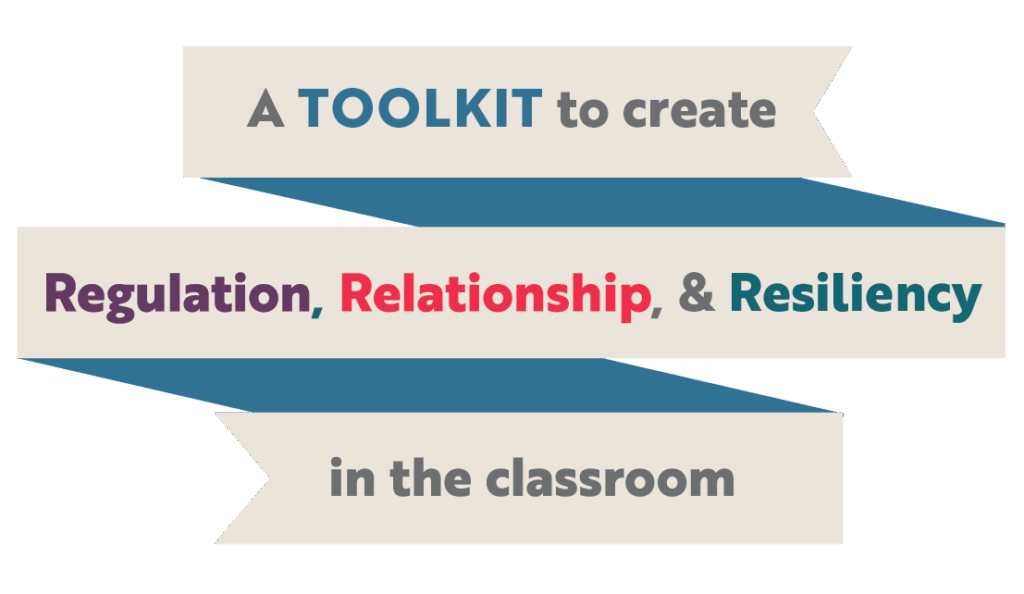
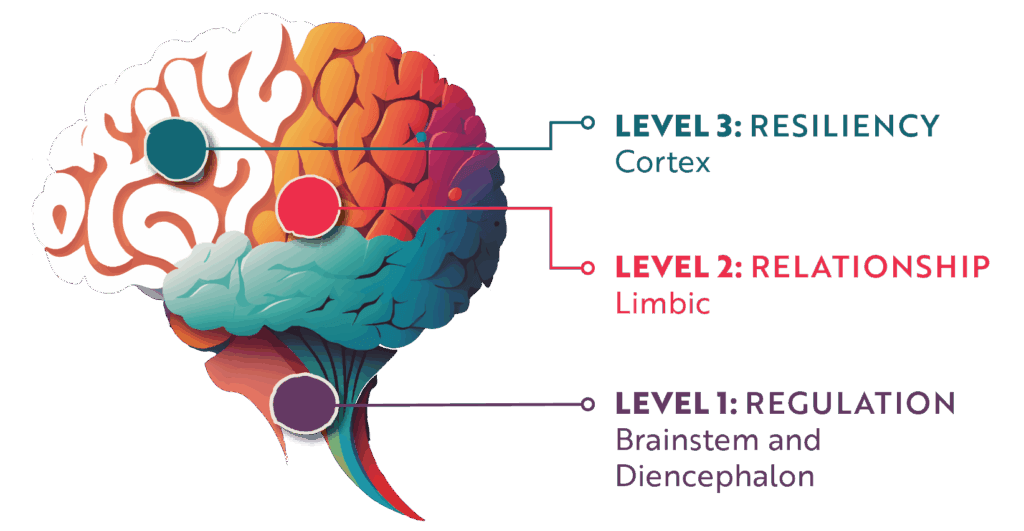
Before we expect students to operate from their frontal cortex, we need to regulate the lower parts of their brain. Only through regulation and safety (Level 1), can we establish relationships
(Level 2) and after those two aspects are in place, then students can take risks, create and be curious (Level 3.) 

The arts are highly relevant in just the ways our brains need in order to regulate, form relationships, and build resiliency.

WHO IS THIS FOR?

The “Addressing Trauma for the Arts Toolkit” is for teachers, administrators, counselors, community organizers, caregivers, and arts groups that want their participants to access their frontal cortex for creativity, connection and success. Let us know how it works for YOU!

CORE CONCEPTS

NEUROSCIENCE

The brain develops from the bottom up: from the brainstem, the primitive and reactive part of the brain, up to the frontal cortex, the more complex part of the brain. Our brain just doesn't develop in a fixed way, it creates a codebook based on (early) experiences which influence how our brain is wired.

When toxic stress and trauma disrupt that development, the brain can become dysregulated and unable to access the higher regions where learning happens. It's important to approach others with neuroscience-based compassion for how past experiences shape present responses.
Dysregulation

Behavior is communication. There are certain signs that someone cannot access the higher parts of their brain and Level 1 arts regulation strategies are needed:

- Restlessness/Hyperactivity
- Freezing or Shutting Down
-Sadness or Emotional Numbness
-Difficulty calming after being upset
-Defiance / Refusal to Participate
-Trouble concentrating/thinking

Why the Arts?

The arts offer natural ways of supporting every development phase of the brain. Through calming the nervous system through sensory-rich experiences, the arts correlate with the needs of the brainstem and diecephelon. Moving up to the limbic region, where relationship is the focus, an abundance of art modalities foster healthy bonds between others, creating connection and trust. Finally, the arts strengthen expression, problem-solving, and emotional processing in the frontal cortex, helping individuals adapt, heal, and thrive! The arts work in just the ways our brains need to regulate, relate, and build resiliency.
ALL OF THE STRATEGIES IN THE TOOLKIT ...

Follow the guidelines of the “The 6 R’s” by author Bruce Perry:

  • Relevant – create developmentally appropriate lessons
  • Rhythmic– establish rhythm through activities, transitions or routines
  • Repetitive – provide repeated, varied opportunities to practice
  • Relational – build strong, positive relationships with all students
  • Rewarding – foster success and enjoyment in learning
  • Respectful – honor and integrate students’ cultural backgrounds

AND include art forms of drama, dance, visual art, music, and creative writing!

ADDRESSING TRAUMA THROUGH THE ARTS TOOLKIT

Level 1: Regulation

Level 1 focuses on regulating the brainstem and the diencephalon, the areas of the brain that control the body’s basic life functions like breathing, heart rate, blood pressure, sleep, body pressure, hunger and emotions. It also plays a key role in survival responses—like fight, flight, freeze, or fawn—by reacting quickly to perceived danger and preparing the body to respond. It acts as a relay center, sending messages between the brain and spinal cord.

By finding ways to foster safety and calm in the brainstem and diencephalon, the arts can help promote predictability through regulating breathe and heart rate and bringing the nervous system out of a stress state; offer a place for safe physical expression, helping release stored tension or energy from the body; and provide sensory-rich calming input that helps the brainstem feel safe and grounded.

Use Level 1:

  • Create safe spaces for connection and collaboration
  • Develop routine and repetition for expectations
  • Generate calm and peaceful environments through sensory experiences

Level 2: Relationship

Level 2 helps develop the limbic system which is the emotional center of the brain, responsible for how we feel, remember, and relate to others. This part of the brain plays a major role in how we form emotional bonds, experience empathy, and build trust. When we feel safe and connected, the limbic system supports healthy social interaction and attachment. It helps us read facial expressions, understand others’ emotions, and respond with care—making it essential for developing strong relationships and a sense of belonging.

The arts support the limbic system by creating safe spaces for emotional expression and human connection. This kind of vulnerability fosters empathy and deepens emotional understanding between people. Collaborative art-making helps build trust, cooperation, and a sense of belonging. These shared creative experiences activate the limbic system in ways that strengthen relationships and emotional integrity, allowing people to feel seen, heard, and connected.

Use Level 2 :

  • Develop connections between peers
  • Explore emotions and experience empathy
  • Demonstrate trust amongst others and within themselves

Level 3: Resiliency

Level 3 strengthens the frontal cortex which is responsible for focus, attention, higher-level thinking and problem-solving—all skills essential for success in school. This area supports risk-taking by weighing potential rewards and consequences, encouraging learning and exploration. It also fosters autonomy by enabling self-awareness and independent decision-making. Additionally, the frontal cortex helps with emotional regulation and understanding social cues, which aids in managing relationships with teachers and peers. Together, these functions make it key to learning, adapting, and thriving in any environment.

The arts help the frontal cortex by engaging skills like planning, problem-solving, and self-control.  Arts activities also encourage focus, decision-making and risk-taking in a safe environment, supporting creativity and independent thinking. Through collaboration and reflection, the arts build autonomy and social understanding, helping individuals develop better emotional regulation and thoughtful life choices.

Use Level 3:

  • Build problem-solving and decision-making skills for themselves and in groups
  • Cultivate positive life choices and independent thinking
  • Foster reflection and emotional regulation through difficult situations

ADDITIONAL RESOURCES

Pikes Peak Region, Colorado

  • Pikes Peak Rising 360: We all struggle and it can be hard to know where to turn for help. We’ve got you covered with expert vetted resources to help you flourish.
  • El Paso County Public Health: Our mission is to promote and protect public health and environmental quality across El Paso County through people, prevention and partnerships.
  • The Mindfulness and Positivity Project: We bring evidence-based interventions to teachers working on the front lines of Colorado’s youth mental health crisis.
  • GRIT – Greater Resiliency Information Toolkit: Created by the Lyda Hill Institute for Human resilience at UCCS, GRIT is a free online self-guided resilience training that can be utilized within your own social networks after you community has experienced trauma.

National Resources

LEARN MORE

Questions about the “Addressing Trauma Through the Arts” initiative at the Cultural Office of the Pikes Peak Region can be directed to: Melissa O’Rear, Program Manager of Education, at Melissa@CulturalOffice.org  or (719) 634-2204. 

For additional programs & resources supporting mental wellness within education settings, visit our friends at:
 The Mindfulness & Positivity Project!

Translate »
Scroll to top
Skip to content